Retail Inventory Management Software: A Buyer’s Guide (2026)
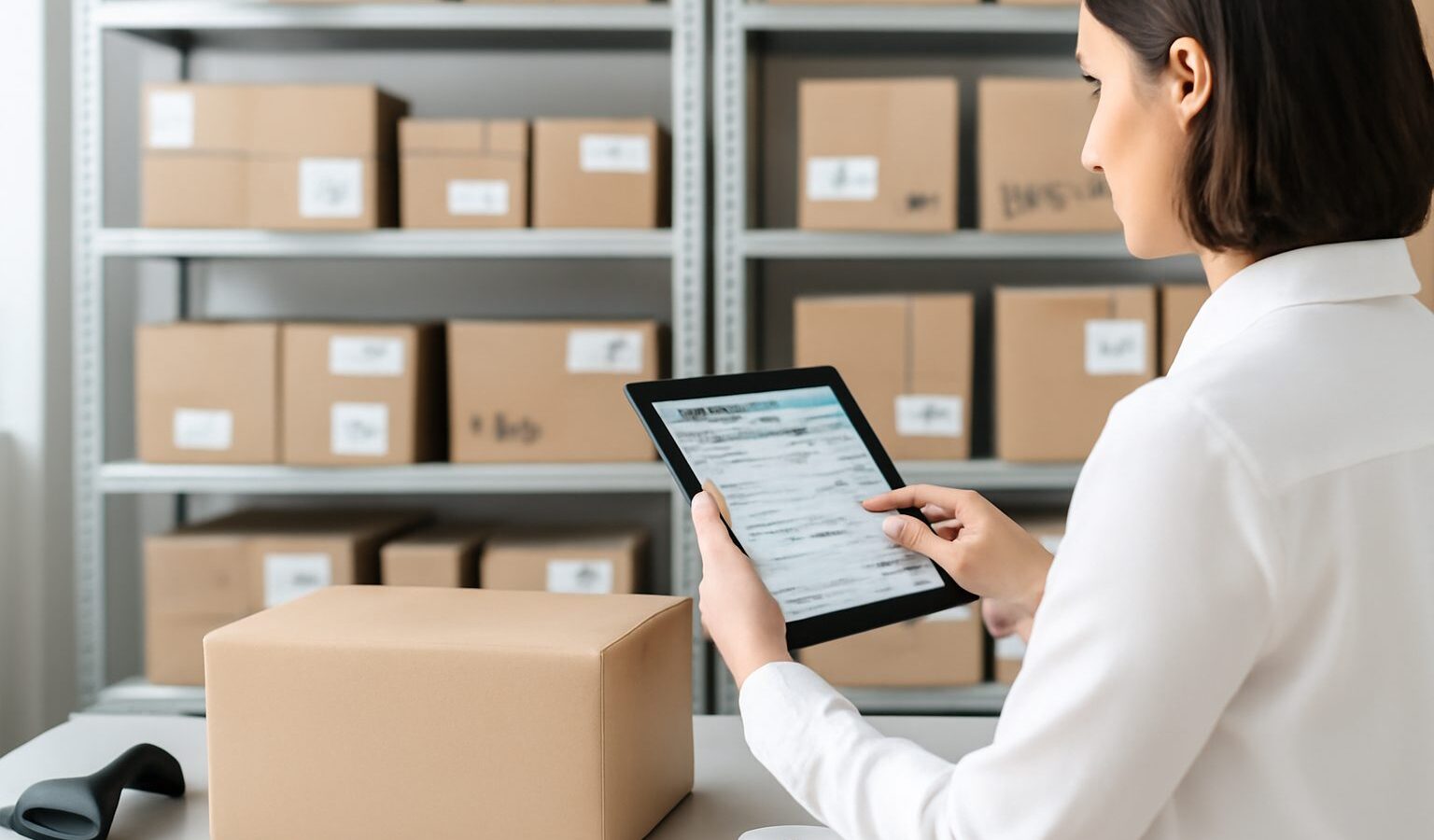
Choosing the right retail inventory management software is one of the highest-leverage decisions a growing retailer makes. Get it right and you stop running out of bestsellers, stop sinking cash into dead stock, and stop reconciling spreadsheets at midnight. Get it wrong and you simply digitise the chaos. This buyer’s guide walks through what the software actually does, the features that genuinely matter, realistic costs in 2026, and a practical way to choose for a Singapore retail business.
What retail inventory management software actually does
At its core, the software keeps an accurate, real-time count of every item you sell across every place you sell it. When a customer buys a dress in your Orchard Road shop, the same SKU’s count drops on your Shopify store, your Shopee listing and your Lazada storefront within seconds. Beyond counting, good systems handle purchasing, supplier records, stock transfers between outlets, returns, and the reporting that tells you what to reorder and what to mark down.
The difference between a tool that merely tracks numbers and one that runs your operation comes down to whether it sits at the centre of your sales channels or off to the side as an afterthought. Real-time, multi-channel sync is the dividing line.
Why retailers outgrow spreadsheets
Spreadsheets are free, familiar and fine for a single shop with a few hundred SKUs. They break down the moment you add a second channel or a second location. A spreadsheet cannot subtract a unit the instant a marketplace order lands, so two customers buy the last item and one gets an apologetic cancellation. It cannot tell you, at a glance, that you have eight weeks of cover on one colourway and zero on another. The hidden cost is not the licence fee you avoid; it is the oversells, the stockouts, and the hours of manual reconciliation.
Core features to look for
- Real-time multi-channel sync across your storefront and marketplaces so one pool of stock feeds every channel.
- Multi-outlet and multi-warehouse visibility, with easy stock transfers between locations.
- Barcode scanning for fast, accurate receiving, stocktakes and picking.
- Purchase orders and supplier management so reordering is driven by data, not guesswork.
- Low-stock alerts and reorder points tuned per SKU and per location.
- Reporting and forecasting that surface bestsellers, dead stock and sell-through rates.
- An open API so the system connects to your accounting, POS and shipping tools.
Pricing: what retail inventory management software costs in 2026
Pricing ranges widely. Lightweight tools start around US$30–50 per month. Mid-market systems that add multi-location and marketplace sync typically run US$100–400 per month. Enterprise platforms such as Cin7 Core (roughly US$349–999/mo at the time of writing, June 2026) or Unleashed (from roughly US$399/mo) sit higher, while Zoho Inventory offers a free tier and paid plans from about US$39/user/mo. WhiteBox starts from S$49 (about US$38) per month with unlimited users, which keeps costs predictable as your team grows. Always confirm current pricing on each vendor’s site, and watch for charges that scale per user, per order or per channel.
A worked example: the cost of one oversell
Suppose you sell a popular sneaker at S$180 across a shop, Shopee and Lazada. You hold 12 pairs. Without real-time sync, your marketplace listings each show 12. Over a busy weekend you receive 14 orders. Two customers must be refunded. The illustrative damage: two cancelled orders, two unhappy reviews, and a marketplace seller score that quietly suppresses your future listings. If even one of those buyers never returns, the lost lifetime value dwarfs the S$49 monthly cost of software that would have prevented the oversell. Multiply that across a year of weekends and the maths is not close.
Cloud versus on-premise
Most retailers in 2026 choose cloud (SaaS) software. It updates automatically, is accessible from any outlet or from home, and needs no server to maintain. On-premise systems still appear in regulated or offline-heavy settings, but for a typical Singapore retailer the cloud’s lower upfront cost and remote access win comfortably. The one thing to verify is how the system behaves if your internet drops at the till.
Common mistakes when choosing
- Buying for today’s size, not next year’s. Pick software that handles a second outlet and a new channel before you need them.
- Ignoring integrations. If it does not connect to your POS, accounting and couriers, you have bought another silo.
- Underestimating data migration. Cleaning SKUs and supplier records before import saves weeks of pain later.
- Choosing on price alone. A cheap tool that oversells costs far more than its licence fee.
- Skipping the free trial. Always load real products and run a real week before committing.
- Per-user pricing creep. Tools that bill per seat punish you for adding staff to stocktakes.
How to run a sensible selection process
List your channels, outlets and SKU count. Write down your three biggest pain points, then score two or three shortlisted tools against them during a trial. Import a realistic slice of your catalogue, connect one marketplace, and run a mock busy day. The system that keeps your numbers right with the least manual effort is your answer, regardless of which has the longest feature list on paper.
How WhiteBox helps
WhiteBox gives Singapore retailers one real-time source of truth for stock, orders and fulfilment. It syncs inventory across Shopify, Lazada, Shopee, Amazon and TikTok Shop, supports multi-warehouse stock and transfers, barcode picking and packing, and a unified order queue, plus forecasting, reporting and an open API. Pricing starts from S$49 per month with unlimited users and a 14-day free trial, and most teams are live within an afternoon. If you are comparing options, start a free trial or review pricing to see how it fits your shop.
Frequently asked questions
What is retail inventory management software? It is a system that tracks stock levels in real time across every outlet and sales channel, and handles purchasing, transfers, returns and reordering so retailers always know what they have and what to buy next.
How much does retail inventory management software cost in 2026? Entry tools start around US$30–50/month, mid-market systems run roughly US$100–400/month, and enterprise platforms cost more. WhiteBox starts from S$49/month with unlimited users.
Can it sync with Shopee and Lazada? Yes. Multi-channel software keeps one stock pool synced across marketplaces and your own store, so a sale on any channel updates the rest within seconds and prevents oversells.
Do I need barcode scanning? Once you pass a few hundred SKUs or multiple locations, barcode scanning sharply reduces counting errors and speeds up receiving, stocktakes and picking. Most retailers find it pays for itself quickly.
How long does it take to set up? Cloud tools are fast to deploy. With clean product data you can often be live within a day; WhiteBox users are typically up and running within an afternoon.
Related reading: The inventory management guide, best inventory management software in Singapore, barcode inventory management software and inventory management software for multiple locations.