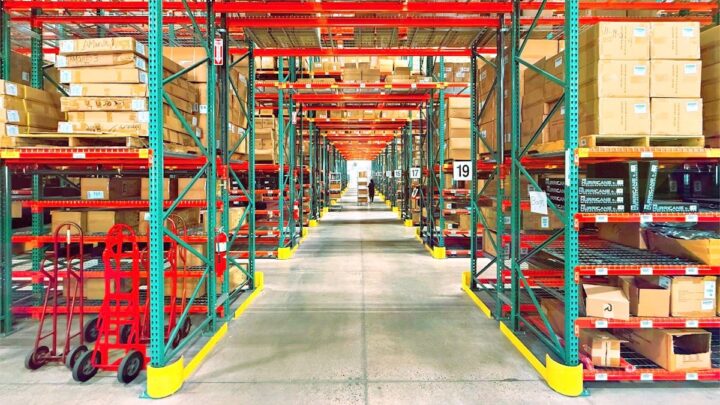
Product Labelling: Requirements and Best Practices
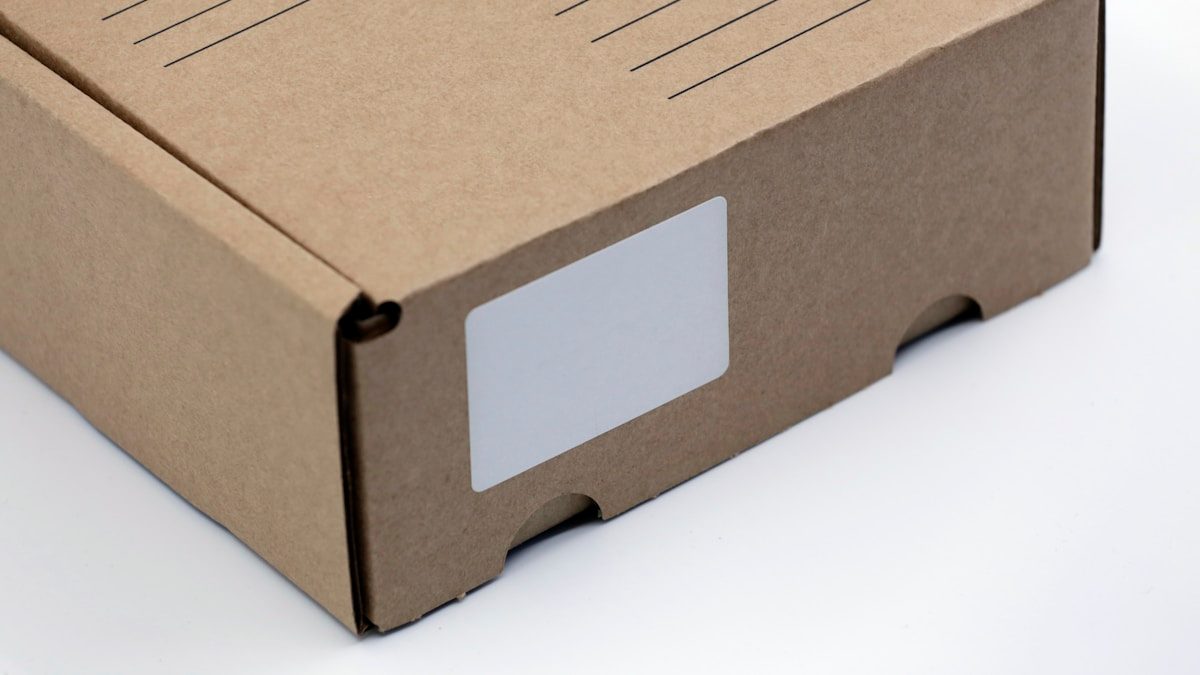
Product labelling is where compliance, branding and warehouse efficiency meet. A good label keeps you on the right side of regulations, tells customers what they’re buying, and lets your team pick and ship the right item every time. This guide covers what your labels need, the rules that apply in Singapore, how marketplaces add their own requirements, and how barcodes turn labelling into an operational advantage.
What goes on a product label
Exactly what’s required depends on the product category, but most retail labels carry a common core:
- Product name and description — clear and not misleading.
- Quantity or net weight/volume.
- Country of origin — often required, especially for food and imports.
- Manufacturer or importer details.
- Ingredients, materials or contents where relevant.
- Safety, handling or care information for the category.
- A barcode (and often a batch or lot number).
Labelling rules in Singapore
Singapore regulates labelling by product type rather than with one blanket law. Food is governed by the Sale of Food Act and the Food Regulations (enforced by the Singapore Food Agency), which set out mandatory information such as ingredients, allergens, net quantity and the name and address of the importer or manufacturer. Other categories — cosmetics, electrical goods, weights and measures — have their own requirements under the relevant authorities. The principle across all of them is the same: labels must be accurate, legible and not misleading. Always check the rules for your specific category before you print, and keep evidence of compliance on file.
Marketplace and channel requirements
Regulation is only half the story. Each sales channel layers its own labelling rules on top — and falling foul of them can get listings suspended or shipments rejected at a fulfilment centre. Common examples include a scannable barcode on the outer packaging, specific SKU or order-ID labels for marketplace-fulfilled orders, and carton or shipping marks for inbound stock. If you sell across several platforms, standardising your labels so they satisfy the strictest channel is usually simpler than maintaining a different label per channel. Our multi-channel selling guide covers how to keep this consistent.
Barcodes: the operational half of labelling
A label isn’t just for the customer — the barcode on it is what makes your warehouse fast and accurate. Scanning at receiving, picking and dispatch removes the manual keying that causes wrong-item shipments, and it keeps your stock counts honest in real time.
- Receiving — scan goods in and stock updates instantly.
- Picking — scanning verifies the right SKU before it’s packed.
- Dispatch — the right item, against the right order, every time.
This is core to how WhiteBox warehouse control works: barcodes drive every movement, so accuracy stays high without slowing anyone down. Learn the foundations in our warehouse management basics guide.
Choosing a barcode standard
Most retail products use GS1 barcodes — EAN-13 (common in Asia and Europe) or UPC (common in North America) — built on a unique GTIN for each item. Using a globally recognised standard means your products scan reliably at any retailer, marketplace or warehouse without clashing with someone else’s codes. For internal tracking you can also add your own SKU labels, but keep the customer-facing barcode standardised. Whatever you choose, apply it consistently so every scanner in your supply chain reads it the same way.
Batch and expiry tracking
For food, cosmetics and many regulated goods, your label’s batch or lot number isn’t optional — it’s what lets you trace and recall product if something goes wrong. Capturing that number against stock means you can sell oldest-first (FEFO) and pull a specific batch instantly if needed, instead of guessing. Done well, batch tracking turns a stressful recall into a quick, targeted action rather than a blanket withdrawal of everything on the shelf.
Practical tips for clean labelling
- One source of truth. Keep product data — name, barcode, origin, batch — on the SKU record, not scattered across files.
- Print from your system. Generating labels from your inventory data avoids transcription errors.
- Standardise your barcodes. Use consistent GS1 symbologies (EAN/UPC) so every scanner reads them.
- Check legibility. Test that labels scan reliably after handling and cold storage.
- Review periodically. Regulations and marketplace rules change — re-check your categories at least once a year.
Frequently asked questions
Is product labelling legally required in Singapore? Yes, by category — food, cosmetics, electrical goods and others have specific mandatory requirements. Labels must always be accurate and not misleading.
Do I need a barcode on every product? Most retailers and marketplaces require one. Beyond sales, barcodes are what make warehouse picking fast and accurate.
What barcode standard should I use? GS1 EAN-13 or UPC for customer-facing products, each with a unique GTIN, plus your own SKU labels for internal tracking if needed.
How do I track batch and expiry? Capture the batch/lot number against stock so you can sell oldest-first and trace or recall a specific batch quickly.
Want labelling, barcodes and stock to work as one system? Book a WhiteBox demo or see pricing.