Warehouse Management Basics for Growing Brands
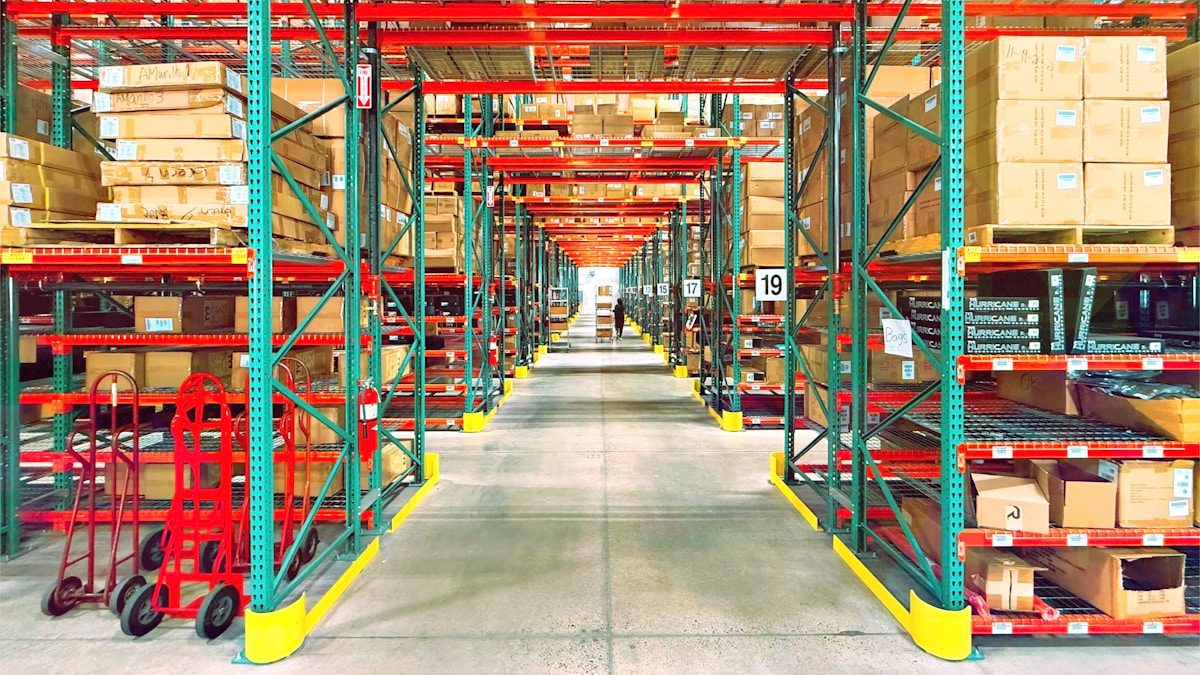
As a brand grows, the warehouse stops being a back room and becomes the engine of the business. Get warehouse management right and orders ship fast and accurately; get it wrong and you face lost stock, slow dispatch and unhappy customers. This guide covers the fundamentals of warehouse and inventory management for growing brands.
What is warehouse management?
Warehouse management is how you organise, track and control stock within a physical space — from receiving goods to storing, picking, packing and shipping them. It sits alongside inventory management (which tracks what and how much you hold) and focuses on where stock is and how efficiently it moves.
The core warehouse workflow
- Receiving: check incoming goods against the purchase order and record them into stock.
- Putaway: store items in defined locations so they can be found quickly.
- Picking: pull the right items for each order, ideally guided by a scanner.
- Packing: verify and pack the order to reduce mistakes.
- Shipping: generate carrier labels and dispatch, with tracking synced back to the order.
Organise with bin locations
The single biggest upgrade most growing warehouses can make is assigning bin locations — a clear address for every item (aisle, shelf, bin). When pickers know exactly where to go, picking speeds up and errors fall. Pair locations with barcodes so every movement is scanned and accurate.
Warehouse inventory management
Warehouse inventory management ties the physical space back to your stock records. Every receipt, transfer, pick and adjustment should update your inventory in real time, so the numbers on screen always match the shelves. This is what makes reliable reordering, forecasting and multi-channel selling possible.
Multi-warehouse and transfers
As you scale to more than one location, you need to allocate stock by warehouse, set reorder points per site, and transfer inventory between locations without losing track of it. Good software treats each location distinctly while keeping one consolidated view of total stock.
Stocktaking and accuracy
Warehouse accuracy depends on regular counting. Rather than an annual shutdown, use cycle counting — counting a slice of SKUs on a rolling schedule — to keep accuracy high without disruption. Aim for inventory accuracy above 95%.
Do you need a WMS or inventory software?
A full warehouse management system (WMS) suits large, complex operations. Most growing brands are better served by inventory and order management software with warehouse features — bin locations, barcode picking, multi-warehouse and transfers — which delivers the gains without the enterprise cost and complexity.
How WhiteBox helps
WhiteBox gives growing brands warehouse-ready tools — bin locations, barcode picking and packing, multi-warehouse stock and transfers — connected to real-time inventory across every sales channel. Explore warehouse features or start a free 14-day trial.
Frequently asked questions
What’s the difference between warehouse management and inventory management? Inventory management tracks what and how much stock you hold; warehouse management focuses on where it is and how efficiently it moves through receiving, picking, packing and shipping.
Do I need a WMS? Only large, complex operations need a full WMS. Most growing brands get the benefits from inventory software with warehouse features like bin locations and barcode picking.
How do I improve picking accuracy? Assign bin locations, use barcode scanning, and verify items at packing.
Related reading: The complete inventory management guide · Order fulfilment in Singapore.