Cold Storage and Warehousing for FandB
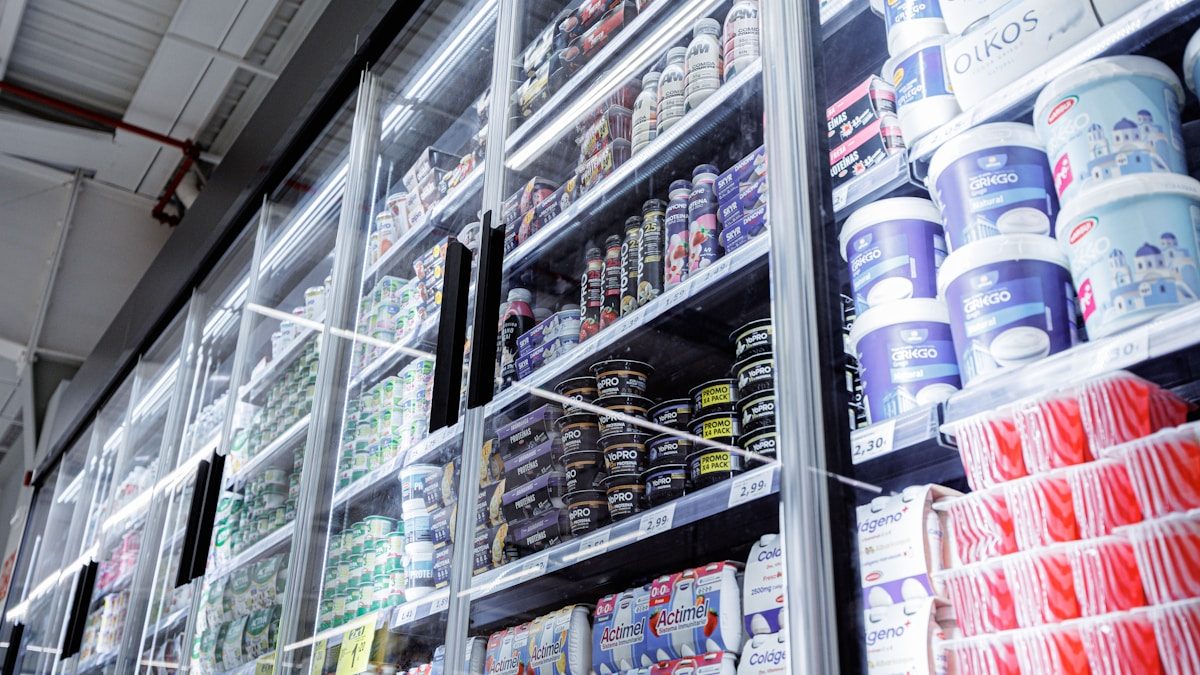
For food and beverage businesses, the warehouse is where freshness is won or lost. Cold storage zones, careful putaway, disciplined rotation and regular counting are what keep stock saleable and compliant. Strong F&B warehousing means the right conditions, clear organisation, and counts you can trust. Here’s how to run it.
Why F&B warehousing is different
Most warehouses just need to be organised. An F&B warehouse also has to be cold, clean and compliant — with chilled, frozen and ambient zones, segregation requirements, and the constant pressure of expiry dates. Storage conditions aren’t a detail here; they’re the difference between sellable stock and waste.
Storage zones and conditions
Chilled, frozen and ambient goods need their own zones, and some products need to be kept apart (including considerations like halal segregation). Tracking which items belong in which zone — and putting them away there correctly on receiving — keeps the cold chain intact and prevents the costly mistake of stock degrading in the wrong place. Clear zone and bin locations also speed up every pick that follows.
Receiving and putaway
Accuracy starts at the loading bay. Scanning goods in on receipt, capturing batch and expiry, and putting them away to the correct zone immediately keeps counts accurate from the first moment and ensures nothing sits unrecorded. Good receiving discipline is what makes everything downstream — rotation, picking, counting — reliable. Our warehouse management basics guide covers the fundamentals.
Rotation and cycle counting
With perishable stock, First-Expired-First-Out rotation has to be built into how the warehouse is organised and picked, so the oldest fresh stock always goes first. Regular cycle counting — checking a portion of stock often rather than one big annual stocktake — keeps accuracy high without shutting down, and catches discrepancies and shrinkage early while they’re still small.
Putting it into practice
A chilled delivery arrives. It’s scanned in with batch and expiry captured, then put away straight into the correct cold zone — no time in the wrong place, no unrecorded stock. Picks pull the soonest-to-expire batch first, and a weekly cycle count of a few zones keeps the numbers honest. The result: less waste, a cold chain that holds, and counts you can actually trust.
If you’re evaluating how to run an F&B warehouse, look for:
- Zone and bin tracking for chilled, frozen and ambient stock.
- Scanned receiving with batch and expiry capture.
- FEFO-built rotation in how stock is stored and picked.
- Cycle counting to hold accuracy without shutting down.
- Segregation support for products that must be kept apart.
How WhiteBox helps
WhiteBox tracks stock by zone and bin, captures batch and expiry at receiving, builds FEFO into picking, and supports cycle counting to keep accuracy high. Pair it with our F&B fulfilment guide, our restaurant inventory guide, and our warehouse control feature.
Frequently asked questions
How do I manage cold storage zones? Track which items belong in chilled, frozen or ambient zones and put them away there on receiving to protect the cold chain.
What’s the best way to keep counts accurate? Scan goods in at receiving and run regular cycle counts rather than relying on one annual stocktake.
How do I build in FEFO? Organise storage and picking so the soonest-to-expire batch is always pulled first.
Ready to run a tighter, less wasteful F&B warehouse? Book a WhiteBox demo or see pricing.