Purchase Orders 101: A Guide for Retailers
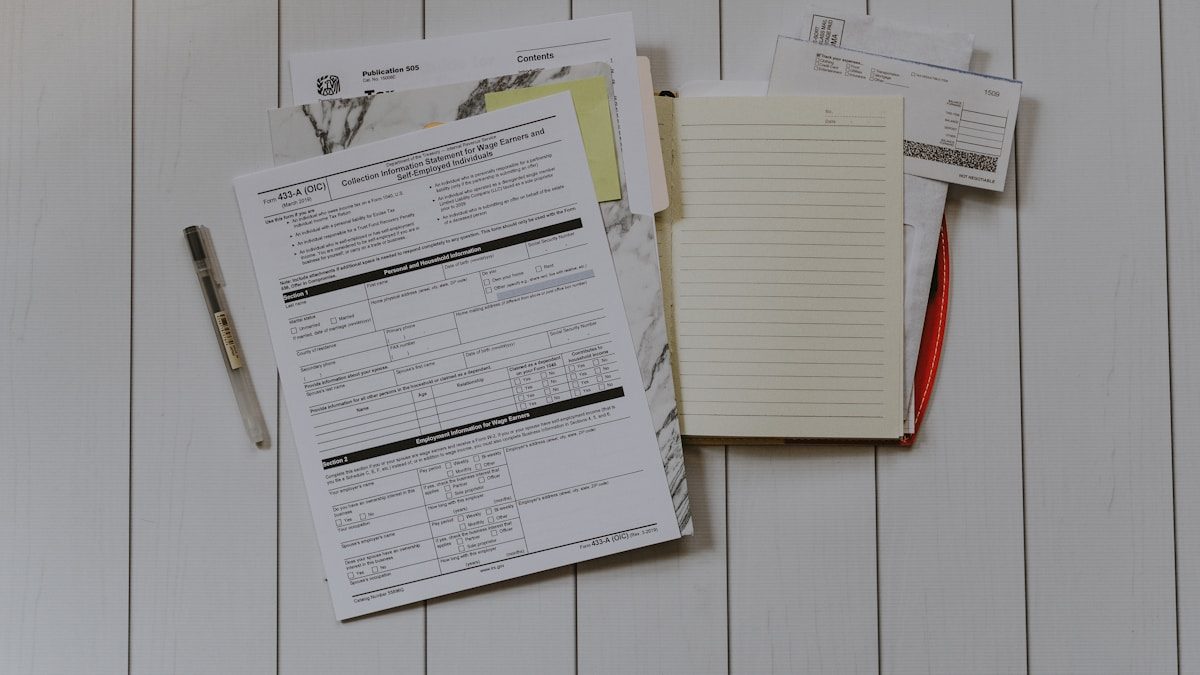
The purchase order is the humble document that keeps buying under control. Used well, a purchase order prevents over-ordering, gives you a clear record of what’s on the way, and keeps suppliers accountable. This guide explains what a purchase order is, what to include, and how to manage POs as you grow.
What is a purchase order?
A purchase order (PO) is a document you send to a supplier to formally request goods — specifying the items, quantities, agreed prices and delivery terms. Once the supplier accepts it, the PO becomes a binding agreement and your record of what you’ve ordered and what’s still to arrive. It’s the buyer’s opening move in a transaction: you raise it, the supplier confirms it, and from that point both sides have a shared, written reference for what was agreed.
What to include in a purchase order
- PO number — a unique reference for tracking.
- Supplier and buyer details — who’s ordering and who’s fulfilling.
- Line items — each product with its SKU, description and quantity.
- Unit price and total — agreed costs, including any taxes.
- Delivery date and address — when and where goods should arrive.
- Payment terms — when and how you’ll pay.
Purchase order template
A simple PO template includes a header (PO number, date, supplier, ship-to), a table of line items (SKU, description, quantity, unit price, line total), and a footer (subtotal, tax, total, terms). You can start in a spreadsheet, but as order volume grows, generating and tracking POs inside your inventory system saves time and prevents errors. If you’d like a ready-made starting point, see our purchase order template for Singapore, which you can adapt to your own SKUs and terms.
The purchase order workflow
- Raise the PO when stock hits its reorder point.
- Send it to the supplier and get confirmation.
- Track it as “on order” so the incoming stock is visible.
- Receive against the PO — check quantities and quality on arrival.
- Match the invoice to the PO and receipt before paying.
PO, GRN and invoice: the three-way match
Receiving goods well is where a PO earns its keep. When a delivery arrives, you record what actually turned up on a goods received note (GRN) — the document that logs received quantities and condition against the PO. Comparing the PO (what you ordered), the GRN (what arrived) and the invoice (what you’re billed for) is called a three-way match, and it’s the simplest control against paying for goods you never received or were short-shipped. If all three agree, you pay with confidence; if they don’t, you have a paper trail to query. A goods received note template makes this routine even for a small team.
A worked example
Suppose a retailer orders 500 units of a bestselling SKU at an illustrative S$4 each — a PO worth S$2,000 — with 30-day payment terms. The delivery arrives and the receiving staff scan it against the PO: only 480 units are in the cartons, and 10 of those are damaged. The GRN records 470 good units received.
Without a PO to receive against, the retailer might simply pay the S$2,000 invoice and never notice the shortfall. With the three-way match, the PO says 500, the GRN says 470 good units, and the invoice can be queried before payment — recovering roughly S$120 on damaged and short-shipped stock on these illustrative figures. Just as important, inventory updates to the 470 units that actually exist, so the system doesn’t promise 500 to customers. The numbers are hypothetical, but they show why receiving against the PO protects both cash and stock accuracy.
Why purchase orders matter
POs prevent duplicate and over-ordering, give you visibility of incoming stock for forecasting, create an audit trail, and protect you in disputes. Linking POs to reorder points means you reorder the right amount at the right time — automatically. As you add suppliers and SKUs, that structure is what stops buying from drifting into guesswork. A good PO also feeds your cash-flow planning: because every open PO carries a value and an expected delivery date, you can see how much you’ve committed to spend and when, rather than being surprised by invoices. And when a supplier consistently short-ships or delivers late, the history of POs and GRNs gives you the evidence to renegotiate terms or switch supplier.
Common mistakes
- Ordering without a PO — no record of what was agreed, so disputes come down to memory.
- Not tracking POs as “on order” — incoming stock is invisible, so you reorder duplicates or oversell.
- Skipping the goods-in check — short shipments and damage go unnoticed until it’s too late to claim.
- Paying before matching — settling invoices without checking them against the PO and GRN.
- Reusing PO numbers — duplicate references make tracking and audits a mess.
- Keeping POs in scattered spreadsheets — no single view of what’s on order across suppliers.
How WhiteBox helps
WhiteBox lets you raise purchase orders from reorder points, track incoming stock, and receive against POs so your inventory updates the moment goods arrive — with a clean audit trail from PO to GRN to invoice. Explore the platform or start a free 14-day trial.
Frequently asked questions
What is a purchase order? A document sent to a supplier requesting goods at agreed quantities, prices and terms — which becomes a binding record once accepted.
What’s the difference between a purchase order and an invoice? A PO is sent by the buyer to request goods; an invoice is sent by the supplier to request payment for those goods.
What is a goods received note? A GRN records what actually arrived against a PO — quantities and condition — so you can confirm you received what you ordered before paying the invoice.
What is a three-way match? Comparing the purchase order, the goods received note and the supplier invoice so you only pay for goods you actually ordered and received.
Do small businesses need purchase orders? Yes — even simple POs prevent over-ordering, give visibility of incoming stock, and create a clear record with suppliers.
Related reading: Retail operations: building a lean, scalable business · The complete inventory management guide · Purchase order template (Singapore) · Goods received note template.