Liquor Store Inventory Management Software: A Buyer’s Guide (2026)
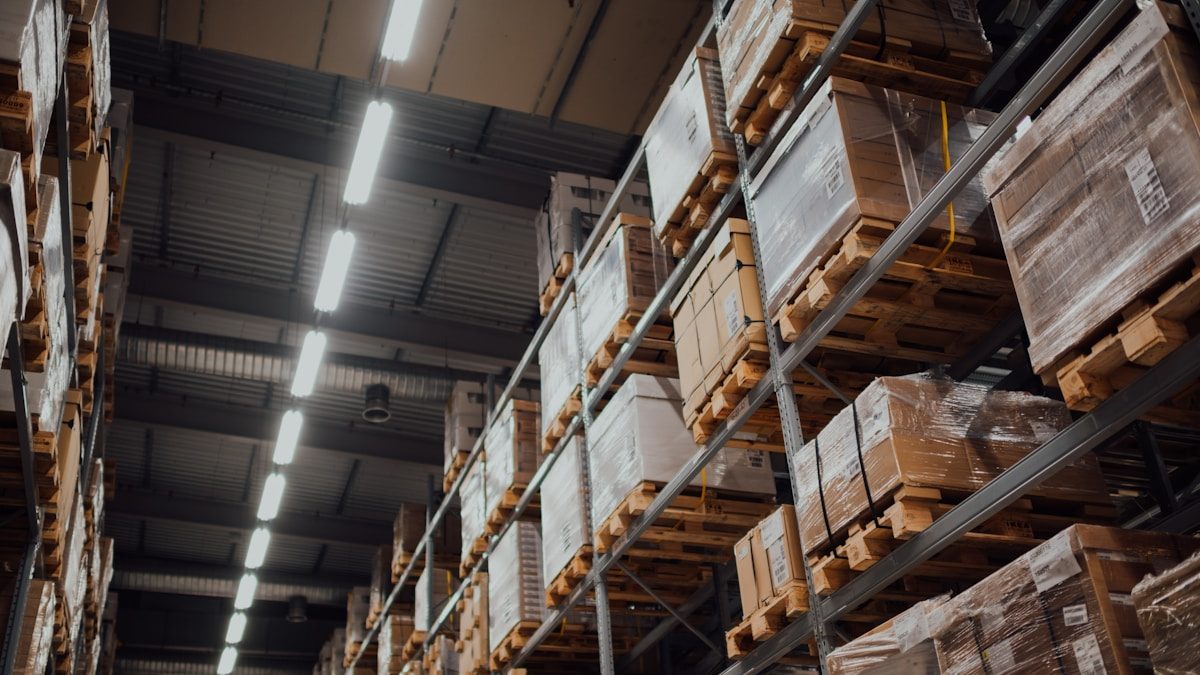
Running a bottle shop means juggling thousands of SKUs, tight margins and strict licensing rules, all at once. The right liquor store inventory management software turns that chaos into a clear, real-time picture of what you hold, what sells and what to reorder. This guide explains the features that matter, the costs to expect and how to choose a system that fits a Singapore or wider Southeast Asian retail operation.
Why liquor stores need specialised inventory software
A typical liquor retailer carries deep ranges across wine, spirits, beer and ready-to-drink products, often in multiple bottle sizes and vintages. Each variant is a distinct SKU with its own cost, duty and shelf life. Generic spreadsheets cannot keep up with the breadth, and they fail entirely once you sell across a physical counter and an online store at the same time. Purpose-built software keeps a single, accurate count so you never oversell a rare vintage or let fast-movers run dry on a Friday evening.
Core features to look for
- SKU and variant management for size, vintage, region and pack quantity.
- Real-time stock sync across your point of sale and any online channels.
- Barcode scanning for fast receiving, stocktakes and picking.
- Reorder points and low-stock alerts tuned per product, so seasonal lines are reordered on time.
- Supplier and purchase-order management with landed cost, including duty and freight.
- Batch and expiry tracking for beer and other date-sensitive stock.
- Reporting on margin, sell-through and slow-moving lines.
Compliance and excise considerations
Alcohol is heavily regulated. In Singapore, retailers operate under a liquor licence with trading-hour rules, and excise duty is a major cost component built into every bottle. Good software lets you record landed cost accurately so margin reports reflect duty, and it keeps clean audit trails of receipts and adjustments. While inventory software is not a substitute for legal advice, accurate records make licence renewals and any audit far less stressful. Always confirm current obligations with the relevant authority, as rules change.
A worked example: reorder points in practice
Suppose a popular single malt sells, on average, 12 bottles a week. Your supplier takes two weeks to deliver, and you want a one-week safety buffer for promotions. Your reorder point is roughly (12 × 2) + 12 = 36 bottles. When stock falls to 36, the software flags a reorder. If you set the reorder quantity to a full case of 24, the system can draft the purchase order automatically. Over a quarter, this simple rule prevents the stockouts that quietly cost you sales while avoiding the cash-flow drag of over-ordering slow lines. These figures are illustrative; your own velocity and lead times should drive the maths.
Multi-channel selling for liquor retailers
Many bottle shops now sell online as well as in store. The moment you list on a website or marketplace, you risk selling the same bottle twice unless stock is centralised. Inventory software that syncs your shop counter and online listings in real time removes that risk. If you sell across platforms such as Shopify, Lazada or Shopee, look for native connections so a sale on any channel decrements one shared stock figure instantly.
Common mistakes to avoid
- Treating every bottle size as one SKU. A 375ml and a 750ml are different products with different costs and counts.
- Ignoring landed cost. Leaving duty and freight out of cost price inflates your apparent margin and distorts pricing.
- Manual stocktakes only. Counting by hand quarterly hides shrinkage; cycle counting with a scanner catches it early.
- No reorder discipline. Reordering by gut feel leads to dusty slow-movers and empty shelves on best-sellers.
- Disconnected online stock. Listing online without syncing inventory guarantees oversells and refunds.
Costs to expect
Entry-level retail inventory tools commonly start in the tens of dollars per month, while enterprise distribution platforms run far higher. At the time of writing (June 2026), comparison points include Cin7 Core at roughly US$349–999 per month and Zoho Inventory with a free tier rising to about US$39 per user per month. WhiteBox starts from S$49 (about US$38) per month with unlimited users, which suits independent and small-chain liquor retailers that do not want to pay per seat. Always trial before committing.
How to choose the right system
Shortlist tools that handle deep variant catalogues, sync your in-store and online stock, and report margin after duty. Run a 14-day trial with a sample of your real range. Check how quickly you can receive a delivery by scanning, run a partial stocktake, and produce a low-stock report. The best fit is the one your counter staff will actually use every day without friction.
How WhiteBox helps
WhiteBox gives liquor retailers one real-time source of truth for stock across the shop floor and every online channel. You get barcode receiving and stocktakes, per-product reorder points with low-stock alerts, supplier purchase orders with landed cost, and clear margin and sell-through reporting, all with unlimited users. It connects to Shopify, Lazada, Shopee, Amazon and TikTok Shop so a sale anywhere updates one shared count. You can be live within an afternoon. See our pricing or start a 14-day free trial to test it against your own range.
Frequently asked questions
Does liquor store inventory management software handle different bottle sizes and vintages? Yes. A good system treats each size, vintage and pack as a distinct SKU so counts, costs and margins stay accurate per variant.
Can it track excise duty in my cost price? Software records landed cost including duty and freight so margin reports are realistic, but it does not file duty for you. Confirm obligations with the relevant authority.
Will it stop me overselling online? If it syncs your point of sale and online channels in real time, every sale decrements one shared stock figure, preventing double-sells.
How much does it cost? Retail-focused tools often start in the tens of dollars per month. WhiteBox starts from S$49 per month with unlimited users; enterprise platforms cost far more.
How long does setup take? Importing a catalogue and connecting channels can often be done in an afternoon, after which you scan deliveries to receive stock.
Related reading: Inventory Management Guide, Inventory Management Software for Retail, Best Inventory Management Software in Singapore, Multichannel Selling Guide.