Fresh Food Inventory Management: Features, Costs and Alternatives
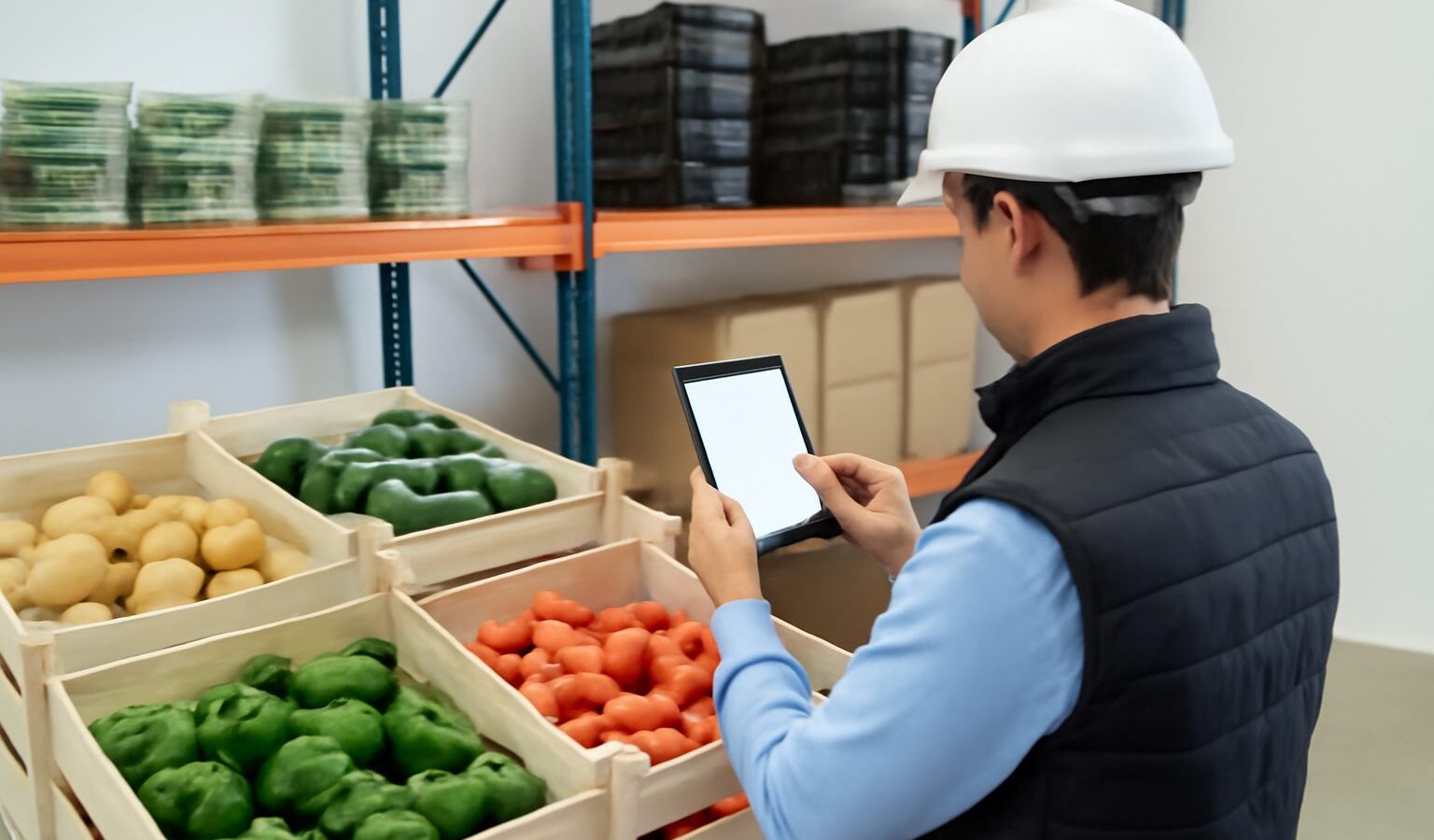
Fresh food inventory management is unforgiving. A unit of homeware sitting on a shelf is patient; a tray of berries is not. When your stock has a clock running on it, the usual rules of inventory bend: shelf life, batch traceability, temperature and waste become as important as quantity on hand. This guide covers how fresh food inventory differs, the features that matter, what software costs, the mistakes that cause spoilage, and how to choose a tool that fits a Singapore grocer, café, caterer or food distributor.
Why fresh food is different
Most inventory software assumes a unit is a unit, indefinitely. Perishables break that assumption. Two cartons of the same SKU received a week apart are not interchangeable, because one expires sooner. Manage them as identical and you will ship or sell the wrong one, leaving the older stock to spoil. Fresh food inventory management therefore tracks not just how many but which batch, received when, and expiring when.
FEFO: first expired, first out
Retailers often run FIFO (first in, first out). For perishables the better rule is FEFO: first expired, first out. They usually align, but not always, because a later delivery can carry an earlier expiry date. A system that understands expiry dates can prompt staff to pick or sell the soonest-to-expire batch first, which is the single most effective way to cut spoilage.
Core features to look for
- Batch and lot tracking with expiry dates against every receipt.
- FEFO picking prompts so the right batch leaves first.
- Expiry and ageing reports that flag stock approaching its date.
- Multi-location stock across chiller, freezer and ambient storage.
- Barcode scanning for fast, accurate receiving and picking.
- Forecasting tuned to short shelf lives, so you order to demand, not habit.
- Real-time stock sync across any sales channels you run.
A worked example
Consider a specialty grocer in Singapore stocking fresh produce, dairy and chilled ready-meals, selling in-store and via an online storefront. Illustrative figures: about 600 perishable SKUs and daily deliveries from several suppliers.
Before batch tracking, staff judged freshness by eye and gut. Older stock drifted to the back, newer stock went out front, and a predictable share of produce was binned each week. There was no record of which batch a customer bought, so a supplier recall meant pulling everything.
After introducing batch and expiry tracking with FEFO prompts: each delivery is scanned in with its expiry date, pickers are told which batch to take, and an ageing report each morning highlights items to discount before they spoil. The hypothetical result is noticeably less waste and a clear trace from supplier batch to sale, so a recall touches only the affected lot. These outcomes are illustrative, but the logic holds: you cannot manage spoilage you cannot see.
What it typically costs
Cloud inventory tools that handle batch tracking and expiry range widely. Entry-level platforms can start under S$50 a month; WhiteBox is priced from S$49 (about US$38) per month with unlimited users. At the time of writing (June 2026), heavier platforms cost more: Cin7 Core is roughly US$349–999/month, Unleashed starts around US$399/month, and Zoho Inventory has a free tier then about US$39 per user per month. SiteGiant is quote-based. Confirm current pricing directly, and check that batch and expiry features sit in the plan you are quoting, not a pricier tier.
Common mistakes
- Ignoring batch expiry dates. Tracking only quantity guarantees you will sell or ship the wrong stock eventually.
- Relying on FIFO when FEFO is needed. A later delivery can expire sooner; pick by expiry, not arrival.
- No ageing report. Without a daily view of soon-to-expire stock, you discover spoilage only when you bin it.
- Over-ordering to avoid stockouts. With perishables, excess stock is future waste, not safety.
- Manual records for traceability. When a recall hits, paper logs cost you hours and over-pulled stock.
Reducing waste without risking stockouts
The balance every fresh-food operator chases is enough stock to satisfy demand without so much that produce spoils. Short-cycle forecasting helps: instead of ordering the same volume each week, base orders on recent sell-through, the day of the week, and known events. Pair that with timely markdowns on ageing stock so it sells before its date rather than ending in the bin.
How to choose a tool for perishables
Not every inventory tool handles perishables well, so test the features that matter most before committing. Start a free trial and book in a delivery with real expiry dates. Confirm the system records the batch and its date, prompts staff to pick the soonest-to-expire batch, and produces an ageing report you would actually act on each morning. Check that it can trace a sold unit back to its supplier batch, because that is what makes a recall quick rather than painful. Finally, make sure batch and expiry features are in the plan you are quoting, not locked behind a pricier tier. A tool that nails these basics in a short trial will protect your margins at full volume; one that treats every unit as identical will not, no matter how polished it looks elsewhere.
How WhiteBox helps
WhiteBox gives fresh food inventory management one real-time source of truth with batch tracking, expiry visibility and barcode-driven receiving and picking, so the right stock leaves first and ageing items get flagged early. Multi-location support covers chiller, freezer and ambient storage, while forecasting helps you order to demand rather than habit. It is live within an afternoon and includes unlimited users. Start a 14-day free trial or review pricing.
Frequently asked questions
What is the difference between FIFO and FEFO? FIFO sells the oldest received stock first; FEFO sells the soonest-to-expire stock first. For perishables, FEFO is safer because delivery order does not always match expiry order.
Do I need batch tracking for a small café? If you handle ingredients with expiry dates and may face a supplier recall, batch tracking pays off even at small scale by cutting waste and simplifying recalls.
How does software reduce food waste? By flagging ageing stock early, prompting FEFO picking, and supporting demand-led ordering so you buy closer to what you will actually sell.
Can it handle different storage temperatures? Yes. Multi-location stock lets you track chiller, freezer and ambient inventory separately within one system.
Is traceability really necessary? For food safety and recalls, yes. Batch records let you trace a unit from supplier delivery to sale and pull only the affected lot.
Related reading: Inventory Management Guide, Retail Operations Guide, Supermarket Inventory Management Software, Flower Inventory Management.