Fashion and Apparel Fulfilment in Singapore
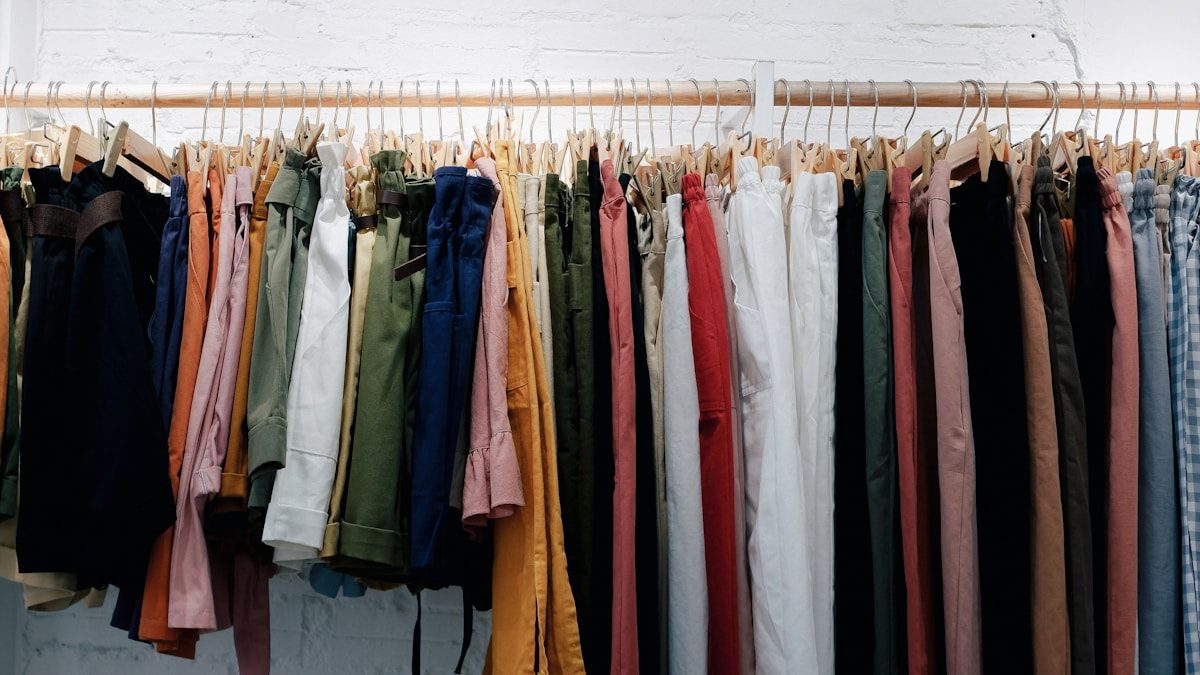
Fashion and apparel is one of the hardest categories to fulfil well. Every style multiplies into dozens of size-and-colour variants, demand swings with the season, and a big slice of what you ship comes straight back. Getting fashion logistics right means controlling variant-level stock, surviving seasonal peaks, and turning returns into resaleable inventory fast. Here’s what makes it different — and how to run it cleanly.
Why fashion logistics is different
A single t-shirt design isn’t one SKU — it’s five sizes times four colours, or twenty SKUs. Multiply that across a catalogue and you’re tracking thousands of variants, each needing its own accurate count. Add short selling seasons, trend-driven demand, and the highest return rate of any retail category, and the margin for error is thin. The brands that win aren’t the ones with the most stock — they’re the ones who always know exactly what they have, down to the variant.
Variant-level accuracy across channels
Selling on your own store, Shopee, Lazada, Zalora and TikTok Shop at once means each variant’s stock has to stay in sync everywhere. Sell the last “Medium / Navy” on one channel and it must disappear from all of them instantly — otherwise you oversell, cancel, and take a rating hit. The only way this works at scale is one live stock count per variant that every channel reads from, updated the moment anything sells. Spreadsheets and manual per-channel updates simply can’t keep up once you pass a few hundred SKUs. See our multi-channel selling guide for the full approach.
Handling seasonal peaks
Fashion lives and dies by drops, sales and seasons. Your fulfilment has to absorb a 10x spike during a launch or a Great Singapore Sale weekend without falling over. That means knowing your true available-to-sell across locations, allocating stock sensibly across channels, and being able to pick and pack at volume with the same small team. Per-channel stock buffers during peak events stop one viral product from overselling everywhere at once, and batch picking lets a handful of people clear hundreds of orders in a single pass instead of one at a time.
Turning returns into resaleable stock
Returns aren’t an edge case in fashion — they’re a core flow, often 20-30% of online orders. A garment that comes back has to be inspected, restocked and made available again quickly, or it ages out of season as dead stock. A fulfilment system that logs the return against the order and flows good items straight back into available inventory is the difference between recovering that sale and writing it off. The faster a returned item is back on the shelf, the more of its value you keep.
Metrics worth watching
- Sell-through rate by style and season — what’s moving and what’s about to become dead stock.
- Return rate by product — high returns often signal sizing or description problems to fix.
- Stock accuracy at variant level — the foundation everything else depends on.
- Inventory turnover — how hard your cash is working before the season ends.
How WhiteBox helps
WhiteBox holds one accurate, variant-level stock count across every location and channel, pulls all your orders into a single queue for barcode picking and packing, and flows returns back into inventory automatically. It’s inventory and fulfilment built for the SKU explosion and seasonality that define fashion. Pair it with our fashion inventory management and apparel inventory guides, and see how it fits multi-channel retailers.
Putting it into practice
Picture a Friday-night flash sale. A hero dress in five sizes drops across your own store, Shopee and TikTok Shop at once. Within minutes the “Small” sells out — and unless every channel sees that instantly, you keep taking orders you cannot fill. Come Monday, a wave of returns from last week\x27s launch lands, each garment needing inspection before it can go back on sale. Handled manually, this is chaos; handled with one live stock count and a single order-and-returns queue, it is just a normal day.
If you are evaluating how to run this, look for:
- Variant-level tracking — every size and colour as its own count, not a lumped style total.
- Real-time multi-channel sync with per-channel buffers for sale events.
- Batch picking so peaks do not require peak headcount.
- A returns flow that restocks good items automatically.
- Reporting by style and season to plan the next drop with confidence.
Frequently asked questions
How do I stop overselling apparel variants? Keep one live stock count per size/colour variant that every sales channel reads from, with per-channel buffers during peak sales.
How should I handle fashion returns? Inspect and restock quickly so good items go back on sale before they age out of season — log each return against its order so stock stays accurate.
Can it handle a launch-day spike? Yes — a single source of truth plus batch picking lets a small team fulfil a 10x volume spike without overselling.
Ready to tame variants, peaks and returns? Book a WhiteBox demo or see pricing.